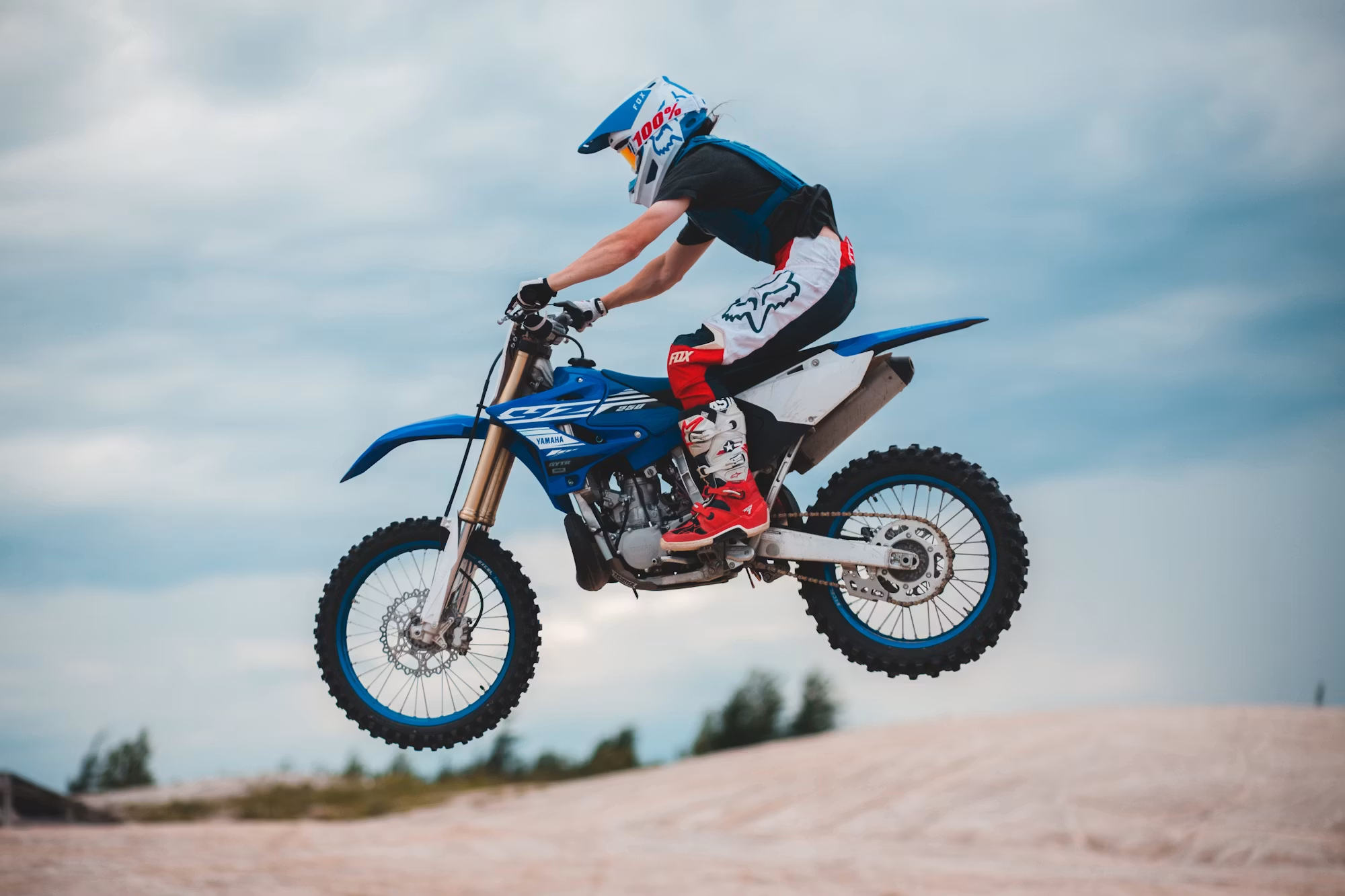
Motorcycling offers a thrilling sense of freedom and adventure, but it also comes with inherent risks. As riders, understanding and implementing safety measures is crucial to enjoying the ride while minimizing potential hazards. This article delves into essential practices, gear, and techniques that every motorcycle rider should know to enhance their safety on the road.\n\nOne of the most fundamental aspects of motorcycle safety is wearing the right protective gear. A well-fitted helmet is non-negotiable; it’s the most critical piece of safety equipment. Helmets are designed to absorb impact and protect the head during a fall or collision. Riders should look for helmets that meet safety standards set by organizations such as the Department of Transportation (DOT) or the Snell Memorial Foundation.\n\nIn addition to helmets, riders should invest in high-quality protective clothing. Jackets and pants made from abrasion-resistant materials, such as leather or specialized textile blends, can significantly reduce the risk of injury in an accident. Many motorcycle garments come with built-in armor to protect vital areas like the shoulders, elbows, and knees. Choosing brightly colored or reflective clothing can also enhance visibility, making it easier for other drivers to see motorcyclists on the road.\n\nFootwear plays an equally important role in safety. Sturdy, ankle-high boots designed specifically for riding provide essential protection and support. They should have non-slip soles to prevent slipping on the bike or during a dismount. Gloves are another critical component; they not only protect the hands but also improve grip and control of the motorcycle.\n\nBefore hitting the road, riders should conduct a thorough pre-ride inspection of their motorcycles. This includes checking tire pressure, brakes, lights, and fluid levels. Ensuring that the bike is in top condition can prevent mechanical failures that might lead to accidents. Riders should also familiarize themselves with their motorcycle’s controls and handling characteristics, especially if they are riding a new or borrowed bike.\n\nWhen it comes to riding techniques, adopting a defensive riding mindset is essential. This means being aware of one’s surroundings and anticipating the actions of other road users. Riders should always be on the lookout for potential hazards, such as potholes, debris, or vehicles that may suddenly change lanes. Maintaining a safe following distance allows for ample reaction time in case of sudden stops.\n\nRiders should also practice smooth throttle and brake control to maintain stability, especially in challenging conditions such as wet or slippery roads. When cornering, leaning into the turn while maintaining a steady speed is crucial for balance and traction. It’s also important to be mindful of road surfaces and adjust riding style accordingly, particularly when transitioning from pavement to gravel or dirt.\n\nRiding with a passenger adds another layer of complexity to motorcycle safety. Both the rider and the passenger must wear appropriate gear, and the passenger should be instructed on how to sit comfortably and safely. Proper communication between the rider and passenger is vital to ensure coordinated movements, especially when turning or stopping.\n\nOne of the most effective ways to enhance riding skills is to enroll in a motorcycle safety course. These courses cover essential techniques, safety protocols, and handling skills that can boost a rider’s confidence and competence. Many organizations offer courses tailored to different skill levels, from beginners to advanced riders, ensuring that there is something for everyone.\n\nAnother key component of motorcycle safety is being aware of the weather conditions. Riding in adverse weather can significantly increase the risk of accidents. Rain, snow, and ice can reduce traction and visibility, making it crucial for riders to adjust their speed and riding style accordingly. If conditions are particularly severe, it may be best to postpone the ride.\n\nIn addition to individual safety measures, motorcycle riders can benefit from understanding and adhering to traffic laws. Being familiar with local regulations, including lane splitting laws and specific motorcycle-related rules, can prevent legal issues and enhance overall safety. Riders should always signal their intentions clearly and be aware of blind spots, both in their own visibility and in the visibility of other drivers.\n\nThe importance of visibility cannot be overstated. Utilizing daytime running lights or reflective gear can help make riders more noticeable on the road. Engaging in proactive visibility strategies, such as making eye contact with drivers at intersections, can significantly reduce the risk of accidents caused by other road users failing to see motorcycles.\n\nFinally, one of the most effective ways to promote safety is to foster a strong sense of community among riders. Joining motorcycle clubs or participating in group rides allows riders to share experiences, tips, and insights on safety practices. This camaraderie not only enhances the riding experience but also serves as a support network for encouraging safe riding habits.\n\nIn conclusion, motorcycle safety is a multifaceted responsibility that encompasses protective gear, riding techniques, and awareness of one’s environment. By adopting a proactive approach to safety, riders can significantly reduce the risks associated with motorcycling. From wearing appropriate gear and conducting thorough pre-ride inspections to maintaining defensive riding practices and understanding traffic laws, every step taken toward safety contributes to a more enjoyable and secure riding experience. As the motorcycle community continues to grow, fostering a culture of safety and shared responsibility remains essential in ensuring that the thrill of the ride is accompanied by a commitment to well-being.

 Daniela Fischer
 Oliver Grant